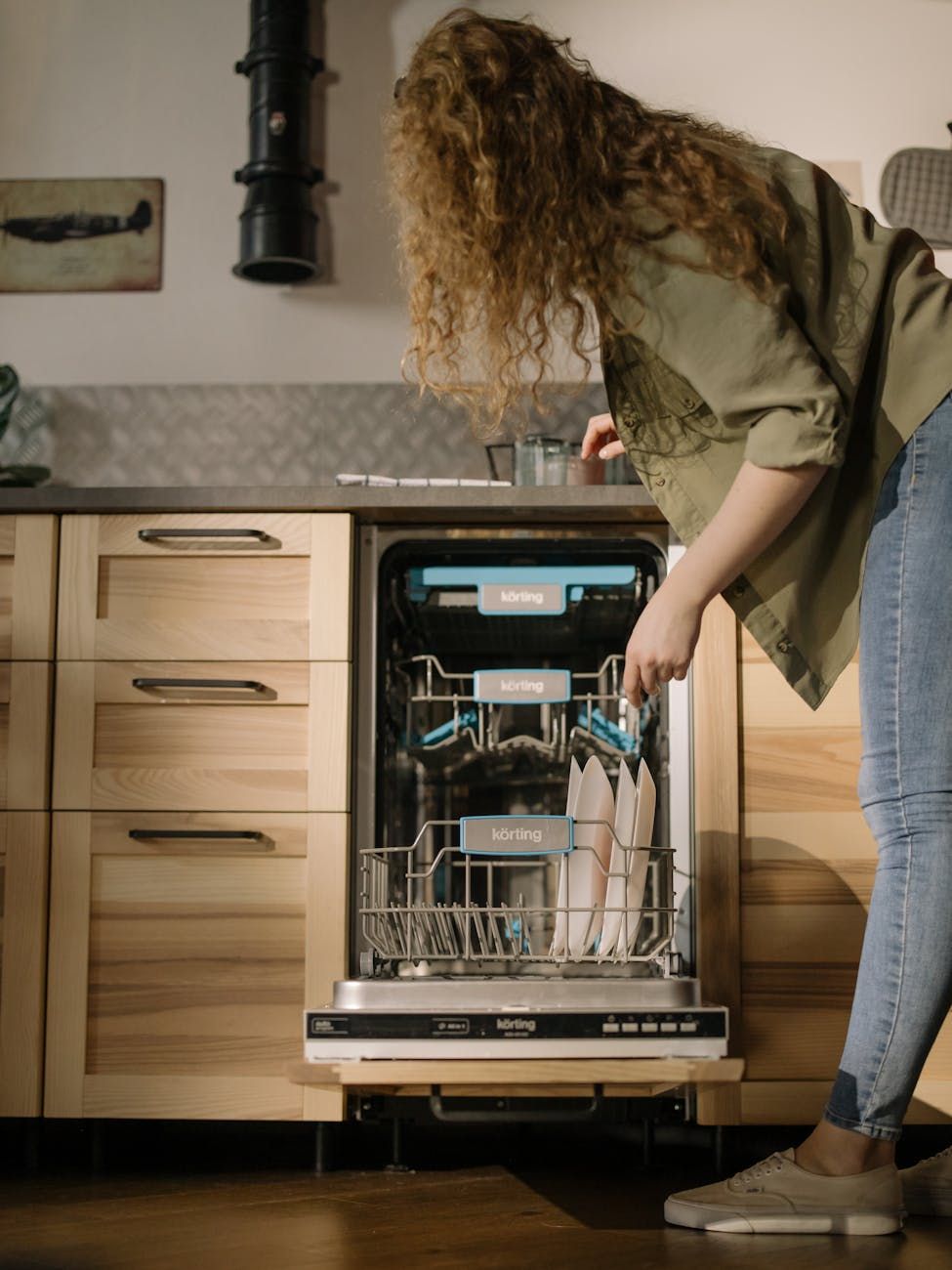
What Not to Wash in the Dishwasher: Common Mistakes
Kitchen, household & livingDishwashers are a common household appliance that many people rely on for efficient cleaning and convenience. However, not everything belongs in the dishwasher. There are certain items that should never be washed in the dishwasher due to the risk of damage or safety concerns. Avoiding these common mistakes can help extend the life of your kitchenware and ensure a safer cleaning process.

Fragile Dishes
While it may be tempting to toss all your dishes in the dishwasher for a quick wash, fragile dishes such as fine china, antique ceramics, and hand-painted items should be washed by hand. The high temperatures and harsh detergents used in dishwashers can cause delicate items to chip, crack, or lose their luster. To preserve these items, opt for gentle hand washing with mild soap and warm water.
Kitchen Utensils
Wooden kitchen utensils, such as cutting boards, wooden spoons, and serving bowls, should never be washed in the dishwasher. The moisture and heat in the dishwasher can cause wood to warp, crack, or lose its finish. Instead, wash wooden utensils by hand with a mild detergent and dry them immediately to prevent damage.
Plastic Items
While some plastic items are labeled as dishwasher-safe, not all plastics can withstand the high temperatures and aggressive cleaning agents used in dishwashers. Plastic containers, utensils, and lids may warp, melt, or release harmful chemicals when exposed to the heat of the dishwasher. To be safe, hand wash plastic items with a gentle soap and cool water.
Knives
Sharp knives should always be washed by hand to prevent damage to the blade and handle. The high water pressure in the dishwasher can cause knives to knock against other items, leading to dulling, chipping, or even breakage. Additionally, the heat and moisture can cause wooden knife handles to swell or crack. To keep your knives in top condition, wash them carefully by hand and dry them immediately.
Glassware
Fragile glassware, such as crystal goblets, wine glasses, and decorative glass items, should be hand washed to avoid breakage or clouding. The high temperatures and harsh detergents in the dishwasher can etch or scratch glass surfaces over time, diminishing their clarity and shine. To maintain the beauty of your glassware, wash them gently by hand with a mild detergent and dry them with a soft cloth.
Safety First
In addition to avoiding damage to your kitchenware, it's important to consider safety when loading your dishwasher. Items such as sharp knives, long-stemmed glasses, or small utensils can pose a safety hazard if not securely placed in the dishwasher. Be mindful of how you arrange items in the dishwasher to prevent breakage, ensure a thorough clean, and minimize the risk of injury when unloading.
By being aware of what not to wash in the dishwasher, you can preserve the quality and lifespan of your kitchenware while promoting a safer cleaning routine. Take the time to hand wash delicate items, wooden utensils, plastic items, knives, and glassware to keep them looking their best. With proper care and attention, you can enjoy clean dishes and a well-maintained kitchen for years to come.
Relevant posts
Kitchen, household & living
Wardrobe Odours: What Causes Them and How to Keep Your Clothes Fresh
Has your wardrobe been invaded by unpleasant odours lately? If you've noticed a musty smell emanating from your clothes, it's time to tackle those wardrobe odours head-on. Keeping your clothes fresh and free of unpleasant smells is not only important for your comfort but also for maintaining the longevity of your garments. In this article, we'll explore the common causes of wardrobe odours and provide you with practical tips on how to ensure your wardrobe remains a haven of freshness.Understandi...
Kitchen, household & living
Manual vs. Electric Food Choppers: Which One Fits Your Kitchen?
When it comes to food preparation, having the right tools can make a world of difference. One such tool that can greatly impact your cooking experience is a food chopper. Whether you opt for a manual or electric food chopper depends on your cooking style, preferences, and kitchen needs. Let’s delve into the differences between manual and electric food choppers to help you determine which one fits best in your kitchen.Manual Food Choppers:Manual food choppers are typically operated by hand, req...
Kitchen, household & living
Small Kitchen, Big Results: Space-Saving Tools for Tight Spaces
In today's fast-paced world, small kitchens are becoming more common. Many people are living in flats or houses with limited space, which can make cooking a challenge. However, there are plenty of space-saving tools and gadgets on the market that can help you maximise your kitchen's potential and create delicious meals without feeling cramped.One of the key space-saving tools for small kitchens is the over-the-sink cutting board. This clever gadget fits over your sink, providing you with a sturd...
Kitchen, household & living
Why Does Dust Accumulate So Quickly at Home and How Can You Actually Reduce It?
Do you ever find yourself constantly battling the never-ending war against dust in your home? If so, you're not alone. Household dust is a common nuisance that plagues many homeowners, and it always seems to accumulate at an alarming rate. In this article, we'll explore why dust accumulates so quickly at home and provide you with some practical tips on how you can reduce it effectively.One of the main reasons why dust tends to accumulate rapidly in our homes is due to a combination of various fa...